
Passive fire protection that works: one connected sequence from survey to sign‑off
Passive fire protection often falls behind schedule when surveys, fire door installations, and remedial works are managed separately. This disconnect causes costly delays and extra work for property teams already facing tight budgets. At Rellish Ltd., we handle the entire process as one clear sequence—from fire risk assessment and compartmentation survey to fire stopping—making it easier for you to secure compliance swiftly and without hassle. Ready to simplify compliance? Book a joined‑up passive fire protection survey with our team and secure your works sequence in one go. For more insights on the importance of passive fire protection, visit this guide.
The Importance of Passive Fire Protection
Passive fire protection is crucial for maintaining building safety and compliance. By ensuring fire risks are assessed and managed, property teams can prevent costly delays and improve safety. Understanding the importance of comprehensive fire protection will guide you in making informed decisions for your property.
Understanding Fire Risk Assessments
Fire risk assessments are the first step in identifying potential fire hazards in a building. They involve evaluating the building's current fire safety measures. This process helps pinpoint areas that require improvement, ensuring all fire safety aspects are covered. An assessment will look at factors like flammable materials and occupancy risks.
Once risks are identified, the assessment guides necessary actions to mitigate these issues. This proactive approach not only enhances safety but also helps in complying with regulations. It's essential to carry out regular fire risk assessments to keep safety measures up-to-date and effective.
Conducting Compartmentation Surveys
Compartmentation surveys focus on the containment of fire within sections of a building. This involves checking fire-resistant walls, floors, and doors to ensure they can effectively contain fire and smoke. Proper compartmentation is critical in preventing the spread of fire, allowing more time for evacuation and firefighting efforts.
A thorough survey will identify any breaches or weaknesses in compartmentation. Addressing these issues promptly will bolster your building's fire safety. By maintaining effective compartmentation, you ensure compliance with safety standards and protect occupants.
From Inspection to Installation
Once assessments and surveys are complete, the next stage is inspections and installations. This process ensures that all identified issues are addressed effectively. It's crucial to understand each step's role in reinforcing your building's fire safety.
Fire Door Inspections Explained
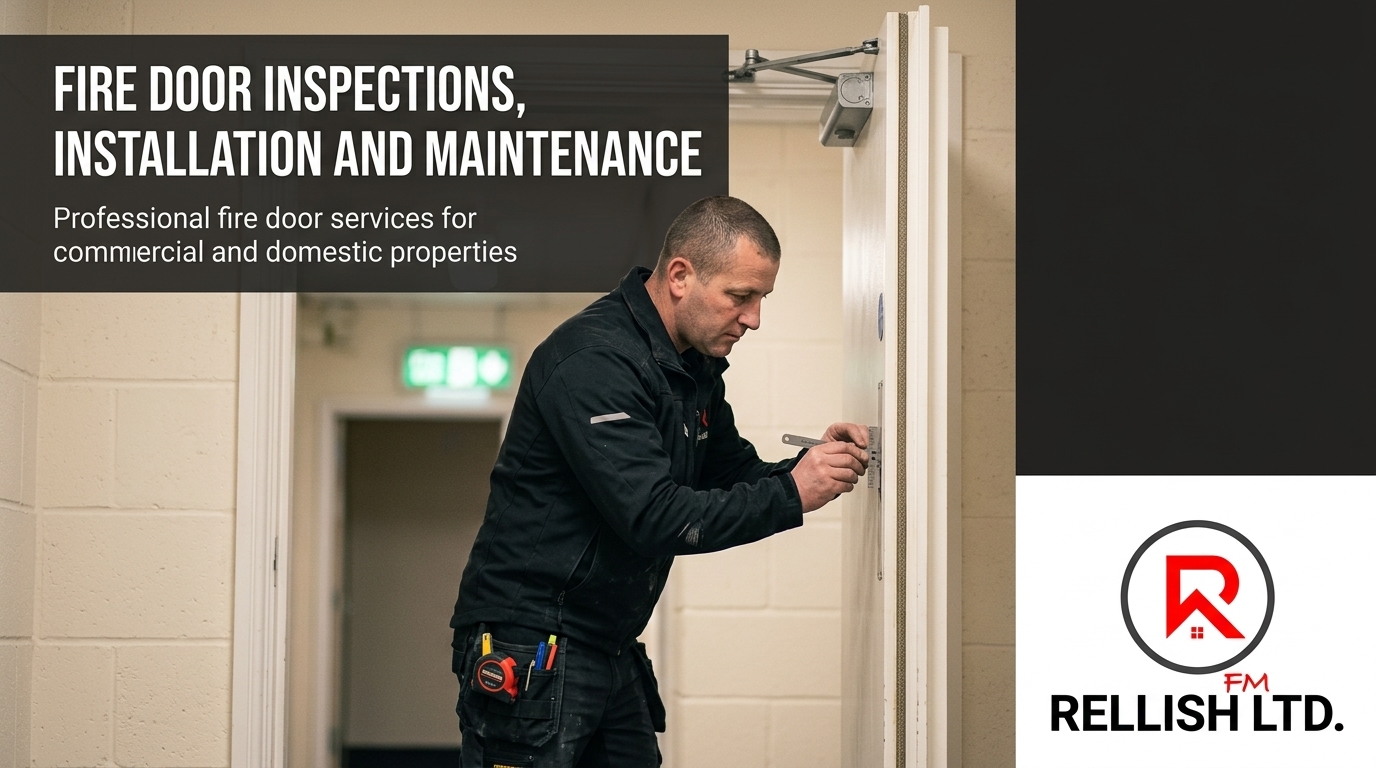
Fire door inspections are a vital part of the fire protection process. These inspections ensure that fire doors function correctly, acting as barriers against fire and smoke. A proper inspection checks the door's integrity, ensuring it closes correctly and seals gaps.
Inspectors will assess the door's materials, hinges, and seals to confirm they meet safety standards. Regular inspections are necessary to maintain these doors' effectiveness. If any issues arise, they can be addressed quickly to maintain safety and compliance.
The Process of Fire Door Installation
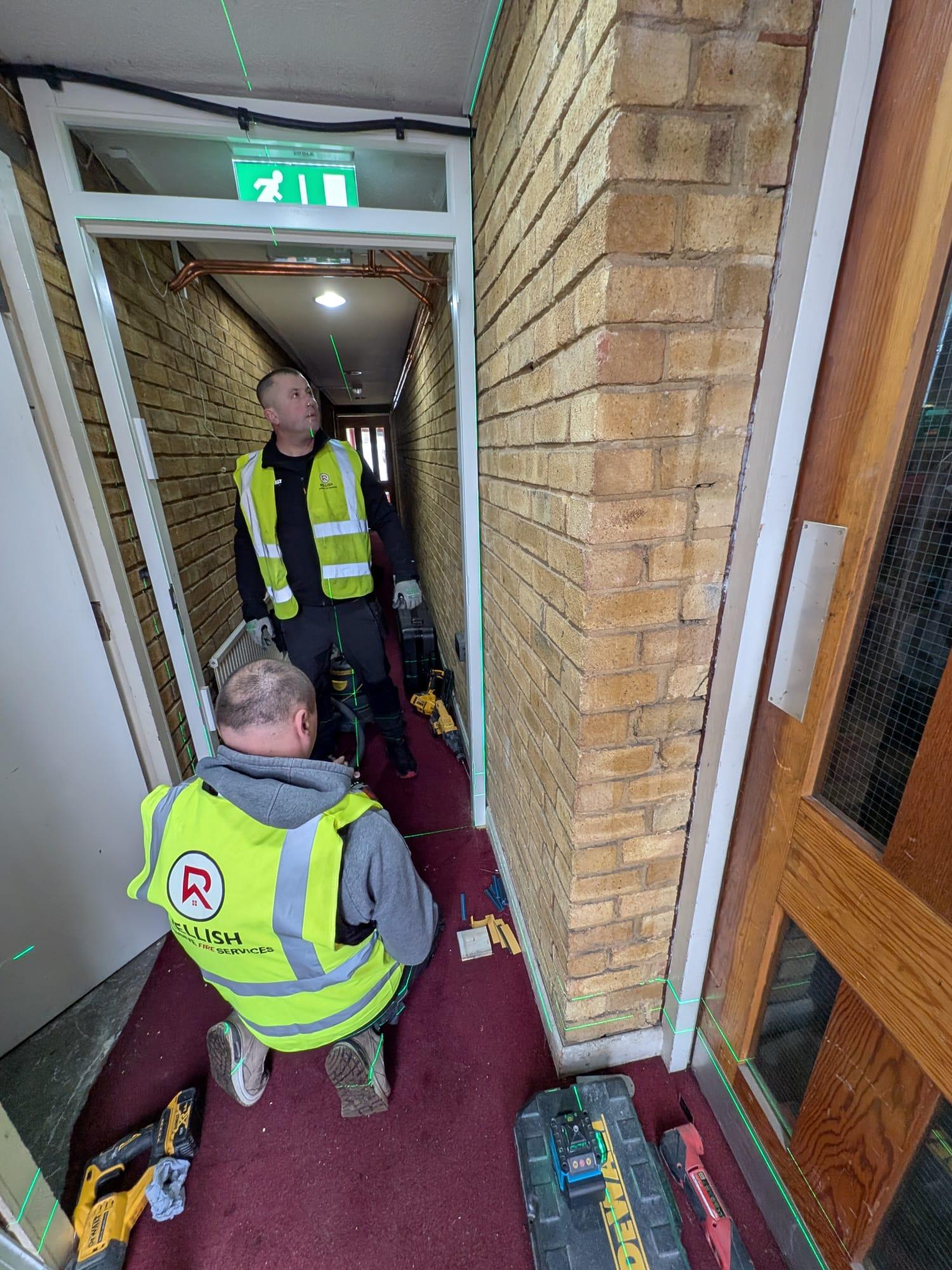
Installing fire doors is a meticulous process, requiring precision to ensure effectiveness. Proper installation is crucial for these doors to function as intended, providing critical barriers during a fire. The process involves selecting the right door type and ensuring it fits perfectly within its frame.
Specialists will handle the installation, following guidelines to ensure compliance with fire safety standards. An expertly installed fire door can significantly enhance a building's safety, providing peace of mind and protection.
Completing the Protection Sequence
The final stage in passive fire protection involves remedial works and fire stopping. These steps address any last issues, completing the sequence and ensuring comprehensive protection.
Remedial Works and Their Role
Remedial works target areas identified as needing improvement during assessments. These works are essential for rectifying issues that could compromise safety. They might involve repairing compartmentation breaches or enhancing fire door functionality.
Timely remedial works ensure that all fire safety measures are fully operational. By addressing these issues promptly, you maintain compliance and ensure your building is as safe as possible for occupants.
Effective Fire Stopping Techniques
Fire stopping involves sealing openings and gaps to prevent fire and smoke spread. This is achieved using fire-resistant materials that can withstand high temperatures. Effective fire stopping is crucial for maintaining compartmentation integrity.
Specialists will apply appropriate materials to vulnerable areas, ensuring a comprehensive seal. This step is vital in ensuring fire safety, protecting both the building and its occupants. For further reading on fire stopping techniques, check out this comprehensive guide.
Frequently Asked Questions
What is passive fire protection? Passive fire protection refers to building components that are designed to contain fires or slow their spread. This includes fire doors, fire-resistant walls, and floors, which help manage fire risks effectively.
Why are fire risk assessments important? They identify potential fire hazards and areas needing improvement, ensuring that all safety measures are current and effective. Regular assessments help maintain compliance with fire safety regulations.
How often should fire doors be inspected? Fire doors should be inspected regularly, at least once every six months, to ensure they function correctly and comply with safety standards.
What does fire stopping involve? Fire stopping involves sealing openings and gaps in walls and floors with fire-resistant materials. This prevents the spread of fire and smoke, maintaining building safety.
How can I ensure my building is compliant with fire safety regulations? Regularly conduct fire risk assessments, ensure effective compartmentation, and maintain all fire protection measures. Consulting with experts like Rellish Ltd. can provide guidance and support in achieving compliance.

Comments